The Role of Metal Casting beforehand Production Technologies
Metal Casting have especially affected the advancement of producing innovations. They provide distinct style versatility, making it possible for the creation of elaborate geometries vital for numerous applications. Modern casting techniques are being enhanced by innovations like 3D printing and automation. These growths not only improve efficiency yet likewise address challenges in precision and sustainability. As sectors proceed to advance, the duty of Metal Casting remains essential in shaping their future. What exists in advance in this dynamic area?
The Evolution of Metal Casting Techniques
As the demand for precision and effectiveness in manufacturing has actually grown, the evolution of Metal Casting methods has actually gone through significant improvement. Historically, Metal Casting started with easy techniques such as sand spreading and lost-wax spreading, which allowed artisans to develop intricate shapes. Gradually, developments in technology introduced processes like die spreading and investment casting, improving accuracy and lowering waste. Wisconsin Aluminum Foundry. The introduction of computer-aided layout (CAD) and simulation software application revolutionized the planning stages, enabling manufacturers to anticipate potential concerns and maximize layouts before production. In addition, the advancement of brand-new products, such as sophisticated alloys and composites, has broadened the scope of applications for Metal Casting. Automation and robotics have further polished casting processes, improving consistency and efficiency. Therefore, the Metal Casting industry has actually adjusted to meet the requirements of modern production, concentrating on sustainability and advancement to stay competitive in an ever-evolving industry
Applications of Metal Casting in Key Industries
The developments in Metal Casting methods have opened up a vast variety of applications throughout different industries. In the automotive field, Metal Casting are indispensable for creating engine blocks, transmission housings, and other necessary elements that need high strength and sturdiness. The aerospace industry makes use of castings for intricate components like generator blades and architectural elements, guaranteeing lightweight yet durable options for aircraft.
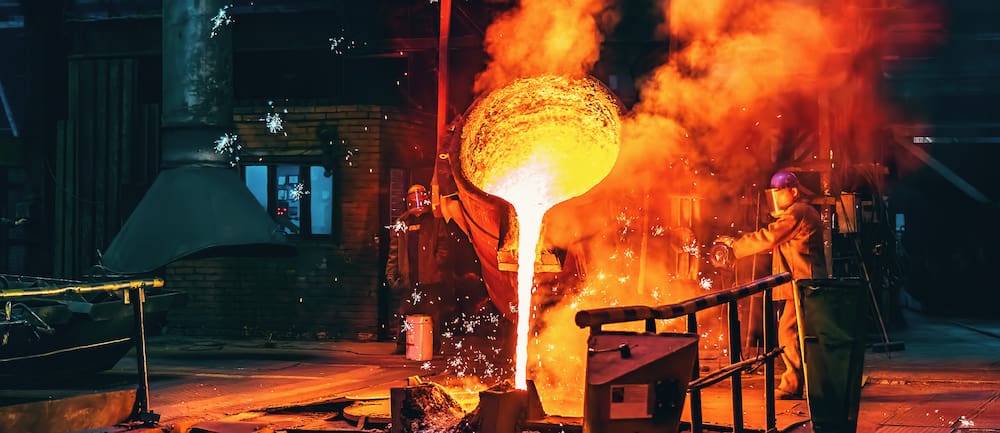
The building and construction industry employs Metal Casting for architectural aspects such as beam of lights and fittings, contributing to the integrity of buildings and infrastructure. In the energy industry, castings play an essential duty in producing parts for wind turbines and power generation tools, improving performance and integrity. On top of that, the clinical field gain from precision spreadings used in medical tools and prosthetics, showing the convenience of Metal Casting throughout diverse applications. This broad use highlights the value of Metal Casting in modern-day production methods.
Benefits of Metal Casting in Modern Production
Metal Casting supply many benefits that significantly enhance modern production processes. One vital benefit is style adaptability; Metal Casting permits the development of intricate shapes and intricate geometries that are difficult or usually tough to achieve with various other manufacturing techniques. This ability enables suppliers to enhance product styles for performance and performance.
In addition, Metal Casting can sustain a variety of materials, consisting of iron, light weight aluminum, and steel, which can be tailored to meet details mechanical buildings and deterioration resistance needs.
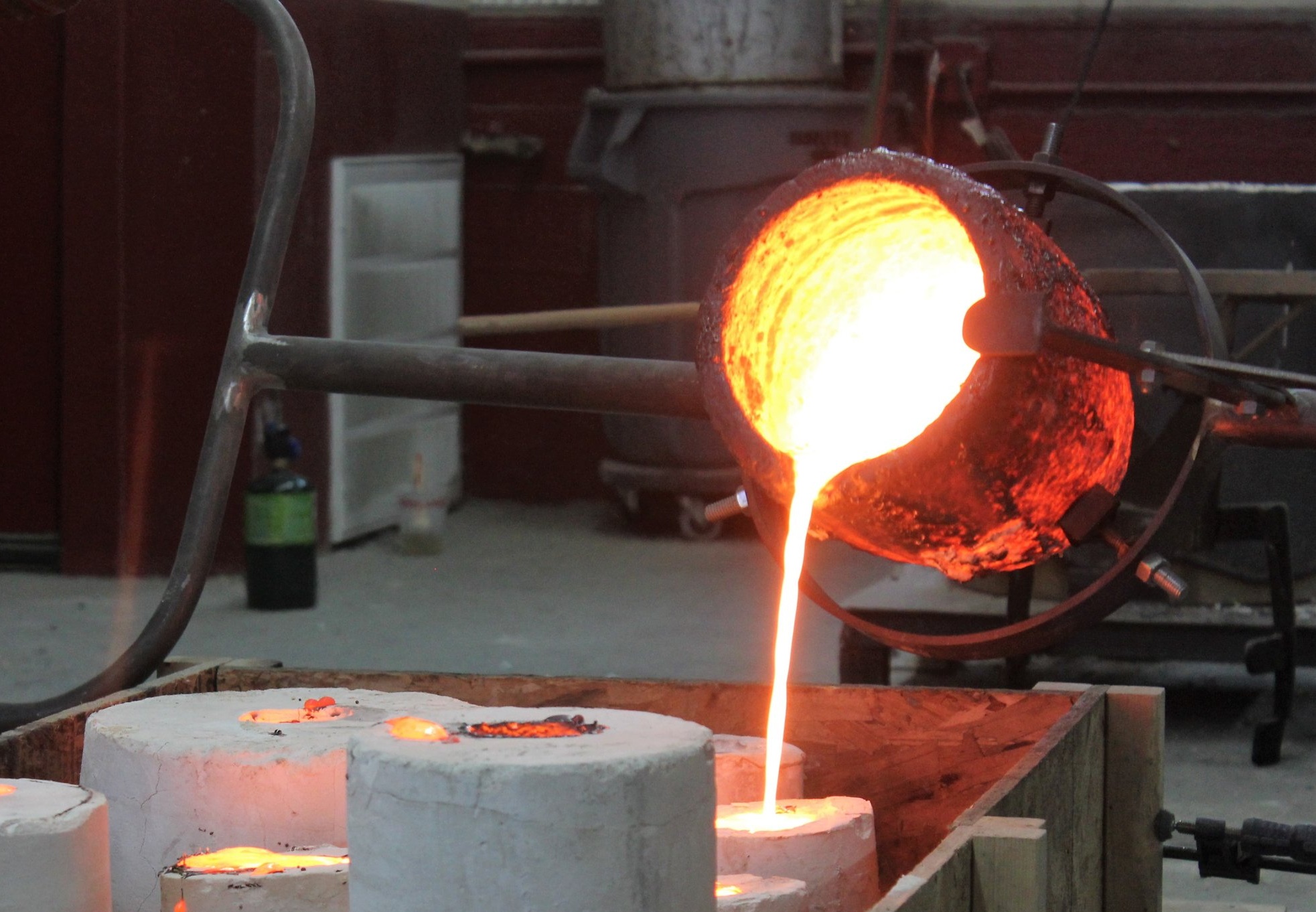
Cost-effectiveness is another noteworthy advantage; Metal Casting processes can produce big amounts of parts with minimal product waste, therefore decreasing production costs.
The durability of cast steel components adds to the long life of items, reducing the Aluminum Castings need for frequent replacements. Generally, the benefits of Metal Casting considerably add to performance, sustainability, and innovation within modern-day manufacturing atmospheres.
Technologies Driving the Future of Metal Casting
While traditional Metal Casting strategies have offered the industry well for years, current developments are positioned to revolutionize the area. Advancements such as 3D printing modern technology enable rapid prototyping and the production of complicated geometries that were formerly unattainable. These technologies not just boost design flexibility however likewise lower waste and reduce preparations. In enhancement, the integration of automation and robotics in casting procedures is streamlining operations, enhancing accuracy, and enhancing worker safety. The development of new alloys and composite products is making it possible for the creation of stronger, lighter castings customized for certain applications. Digital innovations, consisting of expert system and device discovering, are maximizing casting specifications and anticipating upkeep, driving enhanced quality assurance. Collectively, these advancements are pushing the limits of Metal Casting, cultivating better performance and sustainability in production, and positioning the sector for future growth and competitiveness.
Difficulties and Solutions in Metal Casting Processes
As improvements in Metal Casting modern technology continue to reshape the sector, different challenges stay that producers need to address to totally leverage these innovations. One significant concern is the irregularity in product buildings, which can bring about inconsistent quality and efficiency. This variability typically results from changes in basic materials and processing conditions. Additionally, the increasing expenses of energy and materials pose economic restrictions, pushing suppliers to seek extra effective procedures.
To combat these difficulties, firms are significantly embracing automated systems and advanced simulation strategies to improve precision and consistency. Implementing quality control procedures throughout the manufacturing procedure likewise aids in detecting flaws early. Investing in study for alternative products may minimize costs and boost sustainability. By addressing these difficulties with ingenious options, the Metal Casting sector can boost performance and maintain competitiveness in the progressing production landscape.
Often Asked Questions
What Products Are Typically Utilized in Metal Casting Procedures?
Common materials utilized in Metal Casting processes include light weight aluminum, iron, bronze, and magnesium. Each material possesses unique residential properties that deal with different applications, improving the convenience and functionality of the final cast products in numerous industries.
How Do Environmental Rules Effect Metal Casting Procedures?
Environmental policies oblige Metal Casting procedures to take on cleaner methods and innovations, typically boosting production prices. Compliance might lead to ingenious procedures that minimize waste and advice emissions, eventually advertising sustainability within the Metal Casting market.
What Are the Precaution in Metal Casting Facilities?
Safety and security procedures in Metal Casting centers consist of appropriate air flow, individual protective equipment, regular safety and security training, tools upkeep, and adherence to security laws, making certain a safe and secure atmosphere for employees while minimizing threats associated with harmful materials and procedures.
Just How Is High quality Controlled in the Steel Casting Process?
Quality assurance in Metal Casting entails rigorous assessments, consisting of aesthetic analyses, dimensional checks, and material testing. Adherence to sector standards and executing see this site quality administration systems ensures that spreadings meet given needs throughout the manufacturing procedure.
What Is the Future Job Outlook for Metal Casting Professionals?
The future task expectation for Metal Casting professionals shows up encouraging, driven by advancements in technology and enhancing demand across various industries (Aluminum Foundry). Development in automation and lasting techniques will likely create new opportunities in this industry
Historically, Metal Casting started with easy techniques such as sand spreading and lost-wax spreading, which permitted craftsmens to develop intricate shapes. Over time, innovations in technology introduced procedures like die spreading and financial investment casting, improving precision and lowering waste. In enhancement, the medical field advantages from accuracy castings made use of in surgical instruments and prosthetics, showing the convenience of Metal Casting throughout diverse applications. Metal Casting provide countless benefits that considerably improve contemporary production processes. Common materials used in Metal Casting processes include aluminum, bronze, magnesium, and iron.